On December 9, 2025, the research team led by Professor Zhang Yuzhong from the College of Marine Life Sciences, the Key Laboratory of Evolution and Marine Biodiversity, and the Frontiers Science Center for Deep Ocean Multispheres and Earth System at Ocean University of China (OUC), in collaboration with Professor Chen Yin at the University of Birmingham and other scholars, published their latest findings in the Proceedings of the National Academy of Sciences of the United States of America (PNAS). The article is entitled “Structural basis and evolutionary pathways of glycerol-1-phosphate transport in marine bacteria”.
Cell membranes are crucial for maintaining cellular integrity and function. Bacteria and Eukaryotes have membranes composed of fatty acids linked to a sn-glycerol-3-phosphate (G3P) backbone via ester bonds, while Archaea possess isoprenoid hydrocarbon chains linked by ether linkages to a sn-glycerol-1-phosphate (G1P) backbone. Archaea contribute substantially to the biogeochemical cycling of carbon and nitrogen in the global ocean, yet how their unique membrane building block, G1P, is utilized and recycled in marine environments has remained unexplored.
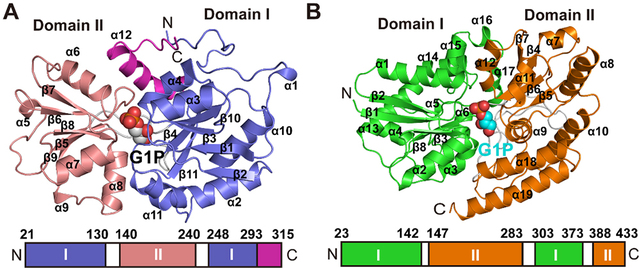
In this study, the researchers identified a G1P transporter in marine bacteria and named it GpxB. Phylogenetic analysis showed that GpxB belongs to the organic phosphonate transporter (PhnT) family and is widely distributed in the marine microbiome, found in approximately 5 to 10% of microbial cells in surface marine waters. In addition, this study also identified a second G1P transporter, UgpB, that is known to transport G3P and belongs to the carbohydrate uptake transporter-1 (CUT1) family. To explore the evolutionary pathways that led to the formation of G1P binding sites in both the PhnT and CUT1 families, the team resolved the crystal structures of GpxB and UgpB bound to G1P and G3P. Using structure-guided mutagenesis analysis, the team traced the evolutionary trajectories of the PhnT and CUT1 families, highlighting the distinct strategies through which G1P-binding sites developed in these two protein families. This study provides new insights into the marine phosphorus cycle.
Professor Zhang Yuzhong and his research team have long been committed to research in marine microbiology and microbial oceanography, and in recent years have reported a series of important advances on element cycles driven by marine microorganisms, including the cycles of carbon, nitrogen, phosphorus, and sulfur. The findings now reported in PNAS represent another important advance for the team in the fields of marine microbiology and microbial oceanography.